



Online gold rates
 22 KT (916) - ₹11,999.00/g24 KT (999) - ₹13,679.00/g18 KT (750) - ₹8,769.00/g
 Silver Rate - ₹169.00/g
What silver pooja items are essential to have at home, and what makes them a good gifting choice?
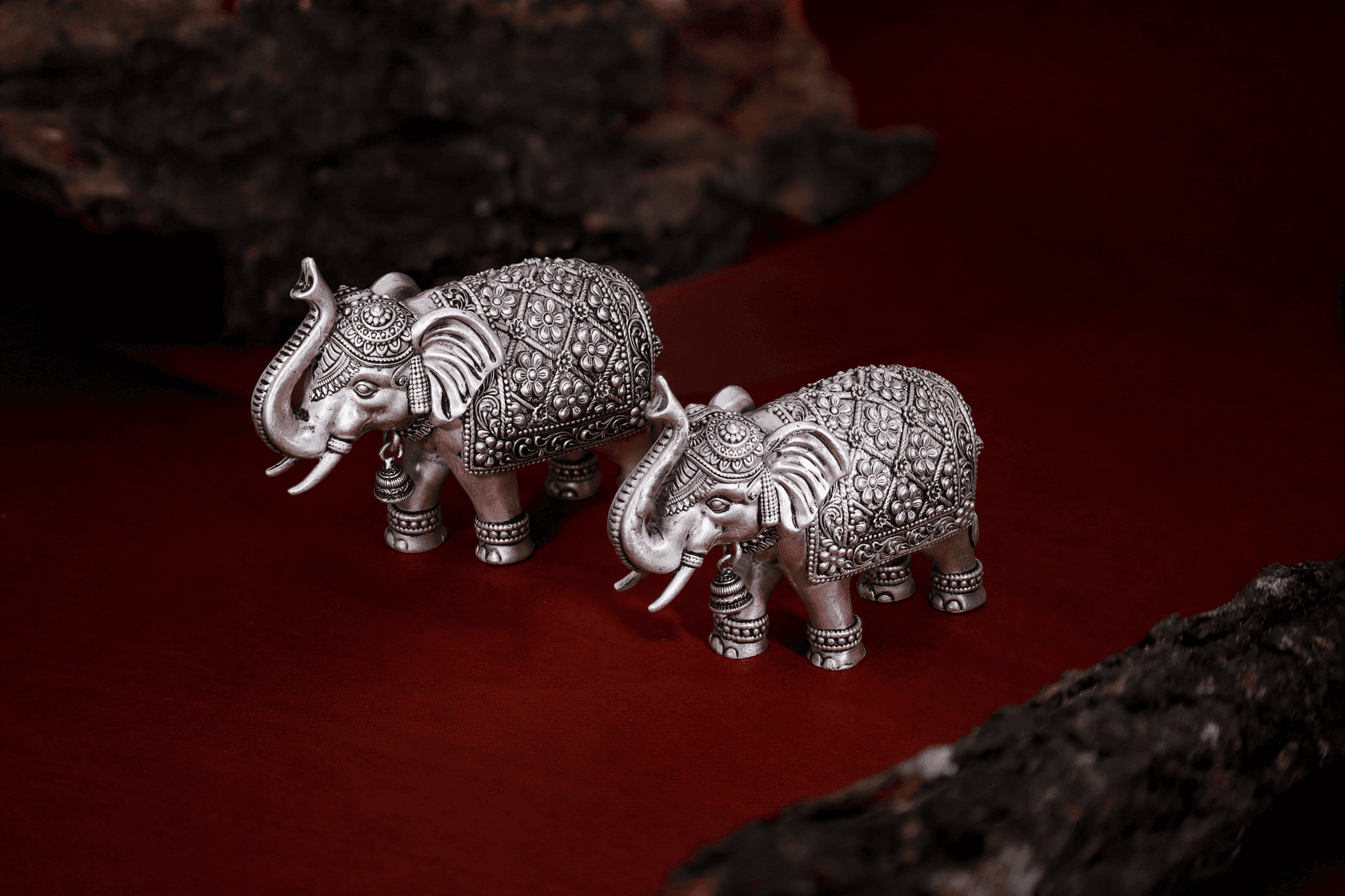
What silver pooja items are essential to have at home, and what makes them a good gifting choice?
Last updated: 16 November 2026
Almost every South Indian home has at least one silver item tucked into the pooja space, a small idol, a thali, a lamp, passed down or bought for a housewarming. But walk into a store looking to build or complete that collection, and the range of silver articles on offer can be overwhelming. This guide sorts through what's actually essential for a home altar, and why silver items have remained one of the most enduring gifting choices for weddings, housewarmings and festivals.
What Makes Silver the Traditional Choice for Pooja Articles
Silver has held a place in Indian households for pooja and daily ritual use for generations, valued for being considered a pure metal for worship, for aging gracefully with visible patina rather than looking worn out, and for being sturdy enough for daily handling, unlike more delicate materials. Silver pooja articles are also easier to clean and maintain than they appear, a simple polish restores most pieces to their original shine, which is part of why they're passed down through generations rather than replaced.
Essential Silver Pooja Items for the Home
A few silver articles form the core of most home pooja spaces, whether newly set up or inherited.
Silver Ganesha idol placed at the start of most pooja spaces, Lord Ganesha is traditionally invoked first, making a silver Ganesha idol one of the most common starting pieces for a home altar Silver Lakshmi idol representing prosperity and wellbeing, a silver Lakshmi idol is a staple for Diwali and is often paired with a Ganesha idol as a set Silver Krishna idol popular in homes that follow Krishna worship, a silver Krishna idol is commonly chosen for its intricate detailing and devotional significance Silver puja thali the central tray used for daily and festival rituals, typically holding smaller items like a diya, kumkum holder and incense stand Silver diyas and lamps used daily or during festivals, silver lamps are valued for their brightness and the way the metal reflects flame light Silver kalash and coconut sets used in ceremonial and festival rituals, often gifted as part of a larger silver gift articles set Silverware for offerings small silver bowls, spoons and plates used specifically for placing offerings during pooja, kept separate from everyday-use silverware
Together, an idol, a thali and a lamp form the practical minimum for most home pooja spaces, everything beyond that is additive rather than essential.
Why Silver Items Make a Meaningful Gifting Choice
Silver gifts occupy a specific place in Indian gifting culture that other materials don't quite match.
They suit almost every occasion: Housewarmings, weddings, baby naming ceremonies, festivals, silver gift articles are considered appropriate across nearly every major life event, unlike gifts that are occasion-specific.
They carry devotional meaning: A silver Ganesha idol or silver Lakshmi idol as a gift is read as a wish for prosperity and a good start, not just a decorative object, which gives silver gifts weight beyond their price.
They last for generations: Unlike many gift categories, silver items are built to be kept and passed down, a silver puja thali or idol gifted at a wedding is often still in daily use decades later.
They photograph and display well: Silver items develop a soft patina rather than looking dated, and idols in particular remain a visually central piece in a home altar for years.
Choosing Between Plain and Detailed Silver Articles
Silver items range from simple, minimally engraved pieces to heavily detailed traditional designs, and the right choice depends on use.
For daily worship, simpler silver articles, a plain thali, a modest idol, tend to be practical since they're handled more frequently and cleaned more often. For gifting and festive display, more detailed silverware, an intricately engraved silver Krishna idol or a decorative kalash set, tends to feel more considered as a gift and is usually reserved for occasional or ceremonial use rather than daily handling.
Caring for Silver Pooja Articles:
Silver items tarnish naturally with air exposure, which is normal and not a sign of poor quality. Regular gentle polishing, and storing pieces in a dry space when not in daily use, keeps silver articles looking their best for years. Items used daily for pooja, thalis, lamps, small offering bowls, tend to need more frequent cleaning than idols that sit mostly on display.
Silver Purity and Practical Choices:
As with gold, purity matters when choosing silver items. Look for hallmarked silver articles wherever possible, since hallmarking confirms the purity of the silver used, particularly important for larger pieces like idols and thalis meant to last for generations. Ask for itemised pricing so the silver rate, weight and making charges are shown separately, especially for detailed pieces like a silver Krishna idol or an engraved puja thali where craftsmanship adds meaningfully to the cost.
Why Bhima for Your Silver Articles
Since 1925, Bhima has crafted jewellery and silverware for generations of Indian families, for weddings, festivals, and everyday worship alike. From Bhima Gold Private Limited's first showroom on Dickenson Road in Bangalore to more than 22 stores today across Karnataka, Andhra Pradesh, Tamil Nadu, that role in home and ritual life has held firm.
The silver articles range at Bhima covers everything in this guide: silver Ganesha, Lakshmi and Krishna idols, puja thalis, diyas, kalash sets and silver gift articles for every occasion. Visit a Bhima showroom to see the detailing up close, or browse the collection online.
Related Reading on Bhima Trending Jewellery For South Indian Marriages The Bhima Legacy Necklace Design: A Timeless Look for Any Occasion Astounding Fashion Jewellery Trends in India
Visit a Bhima Store Ready to complete your pooja space or find a meaningful gift? Explore silver idols, puja thalis and silver gift articles at any Bhima showroom across South India, or browse online. Contact Bhima for queries.
Frequently Asked Questions
1. What silver pooja items are essential to have at home?
A silver idol (commonly Ganesha, Lakshmi or Krishna), a silver puja thali, and a silver diya or lamp form the practical minimum for most home pooja spaces, with kalash sets and offering silverware as common additions.
2. Why is a silver Ganesha idol usually the first piece bought for a home altar?
Lord Ganesha is traditionally invoked at the start of most rituals, which is why a silver Ganesha idol is commonly the first or central piece placed in a new home pooja space.
3. What is a silver Lakshmi idol typically used for?
A silver Lakshmi idol represents prosperity and wellbeing and is especially popular during Diwali, often placed alongside a Ganesha idol as a paired set.
4. Why do people choose a silver Krishna idol for their pooja space?
A silver Krishna idol is popular in homes that follow Krishna worship and is often chosen for its intricate detailing, making it both a devotional piece and a decorative one.
5. What goes into a complete silver puja thali set?
A silver puja thali typically includes the main tray along with smaller items such as a diya, kumkum holder, incense stand and small offering bowls, all used together during daily or festival rituals.
6. Why are silver items considered a good gifting choice?
Silver gifts suit nearly every occasion, weddings, housewarmings, festivals, carry devotional meaning when the piece is an idol, and are built to last for generations, unlike many other gift categories.
7. Do silver articles need special care or maintenance?
Yes, silver naturally tarnishes with air exposure, which is normal. Regular gentle polishing and dry storage when not in daily use keeps silver items looking their best over time.
8. Should silver items be hallmarked?
Yes, hallmarked silver articles confirm the purity of the metal used, which matters especially for larger pieces like idols and thalis intended to last for generations.
9. Are simple or detailed silver articles better for daily worship?
Simpler silver articles are generally more practical for daily worship since they're handled and cleaned more frequently, while detailed pieces are often better suited to gifting or occasional ceremonial use.
10. What should I check before buying silver gift articles?
Check for hallmarking to confirm purity, ask for itemised pricing separating the silver rate, weight and making charges, and consider whether the piece is meant for daily use or primarily for display or gifting.