




Online gold rates
 22 KT (916) - ₹11,999.00/g24 KT (999) - ₹13,679.00/g18 KT (750) - ₹8,769.00/g
 Silver Rate - ₹169.00/g
What are the different types of bangles by material, and how does bangle making affect design and durability?
What are the different types of bangles by material, and how does bangle making affect design and durability?
Last updated: 13 November 2026
Bangles look simple from the outside, a circle of metal, worn on the wrist, but the choices behind them are not simple at all. The material decides how the bangle wears over years, and the way it's made decides how it looks, how it feels on the wrist, and how long it lasts. Two women can buy bangles of the same weight and the same karat and end up with pieces that behave completely differently, because the material and the making were different.
This guide covers the main types of bangles by material, how different bangle-making techniques change both design and durability, and how to choose bangles that suit daily wear as well as special occasions.
Types of Bangles by Material
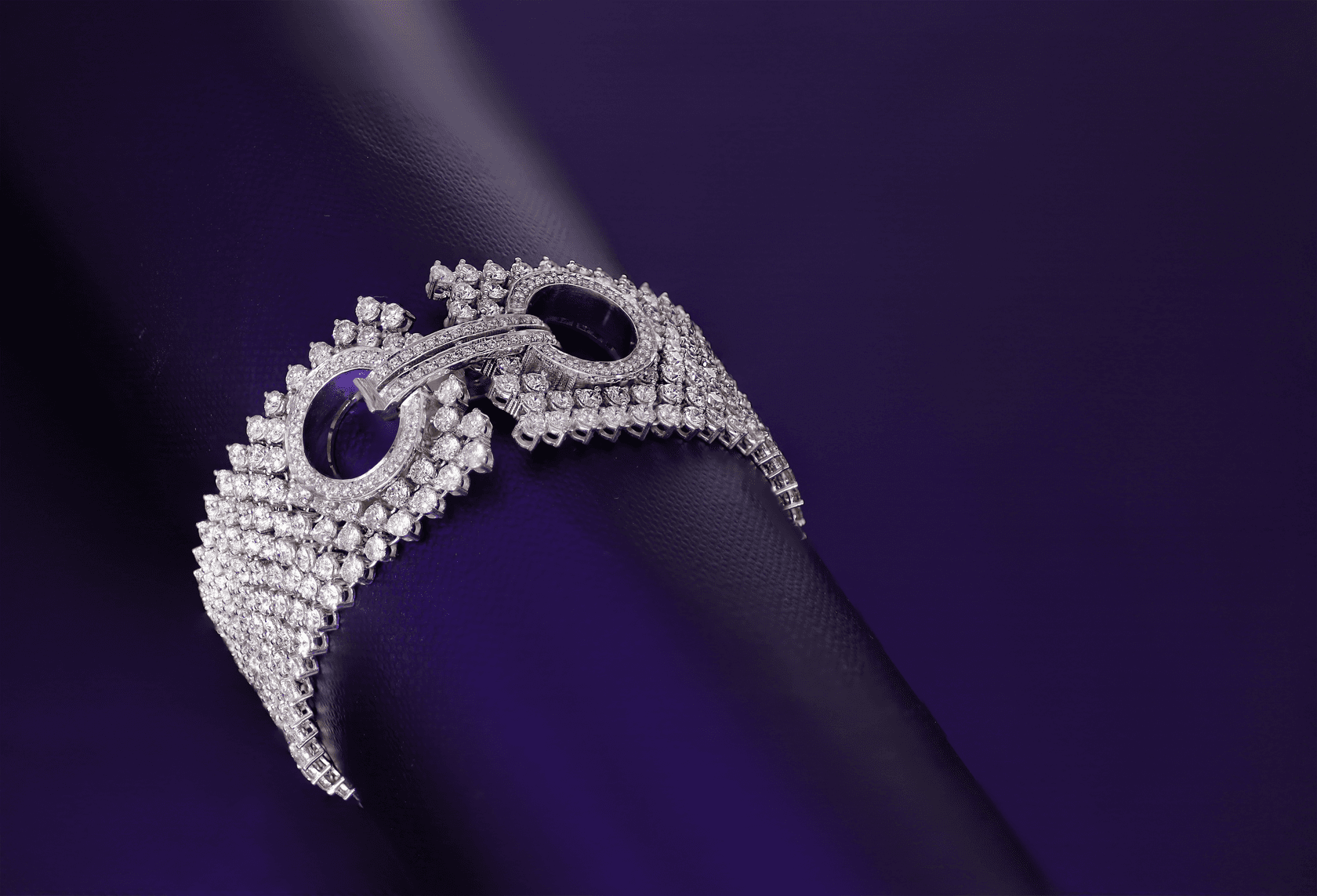
Gold bangles: The most common choice for both daily wear and occasion wear in South Indian households, gold bangles range from plain polished bands to heavily worked antique designs, and are available across karats depending on how the bangle will be worn and how often.
Gold bangles with gemstones: Bangles set with diamonds or coloured stones, usually built on a slightly heavier or wider gold base so the setting stays secure through daily movement.
Antique gold bangles: Bangles made using traditional techniques, nakashi work, temple motifs, textured surfaces, that give an intentionally aged, handcrafted look rather than a high-polish finish.
Two-tone and multi-metal bangles: Bangles combining gold with rhodium, white gold, or coloured finishes on the same piece, chosen more for contemporary styling than tradition.
Each of these is still, technically, a "gold bangle", the differences come from purity, technique and finish rather than a change in the base metal.
How Karat Affects Bangle Design and Durability
Karat is usually the first decision, and it shapes almost everything that follows.
22 carat gold bangles are the traditional standard for South Indian gold bangles, valued for their rich colour and higher gold content. Because 22kt gold is comparatively soft, 22kt gold bangles are usually made slightly heavier or given reinforced edges so the shape holds up under daily handling, bumping into surfaces, going through doorways, and everyday wrist movement.
18kt gold bangles are harder and more scratch-resistant, which is why they're the more common choice for bangles set with diamonds or stones, since the metal holds a setting more securely over years of wear.
Neither karat is "better", the right one depends on whether the bangle is meant for daily wear or for occasions where it's handled more carefully.
How Bangle-Making Techniques Affect Design and Durability
The way a bangle is made changes both how it looks and how well it survives daily wear, often more than the karat does.
Cast bangles are formed in a mould, which allows for detailed, uniform patterns and is common in antique gold bangles with raised motifs. Cast pieces can be slightly heavier for the same design compared to sheet-formed bangles.
Sheet-formed bangles are shaped from a flat sheet of gold rolled into a band, generally used for simple gold bangles and plain daily-wear designs. This technique keeps the bangle lightweight without hollowing it out, which is one reason lightweight gold bangles in simple designs have stayed so popular for everyday use.
Hollow or tube bangles are formed around a core and are lighter for their visual size than a solid bangle of the same width, making them a common choice when a woman wants a bangle that looks substantial but doesn't weigh heavily on the wrist through the day.
Handcrafted techniques such as nakashi and temple-style engraving are typically finished by hand after casting, which is what gives antique gold bangles their depth of detail, but also means the surface is more textured and needs slightly more careful daily handling than a smooth, polished band.
Choosing Bangles for Daily Wear vs Occasion Wear
Daily wear gold bangles are usually chosen for a specific set of qualities: lighter weight, a smooth or lightly textured finish that won't catch on clothing, and a simple gold bangle design without raised stones or delicate detailing that could wear down with daily use. Sheet-formed and hollow bangles suit this purpose well, since they keep the visual size without adding unnecessary weight.
Occasion bangles, worn less frequently and handled more carefully, can afford more detailing, antique work, stone-setting, a heavier cast design, since they aren't subject to the same daily wear and tear.
Many women in practice keep both: one or two simple, lightweight gold bangles for daily wear, and a heavier or more detailed set kept for weddings, festivals and family occasions.
Popular Gold Bangle Designs in 2026
Gold bangle designs continue to split between two clear directions.
Simple gold bangles smooth, plain bands or subtly textured surfaces, built for comfortable daily wear Lightweight gold bangles hollow or sheet-formed bangles that look substantial without adding weight to the wrist Antique gold bangles nakashi and temple-motif work, worn for festivals, weddings and traditional occasions Diamond and stone-set bangles a row or cluster of stones on an 18kt gold base, usually reserved for special occasions Two-tone bangles gold combined with white gold or rhodium detailing for a more contemporary look
Gold Purity and Practical Choices for Bangles for Women
Whichever type of bangle you choose, karat and hallmarking matter just as much as design. 22kt gold bangles remain the traditional choice for their colour and gold content, while 18kt gold bangles offer more durability for stone-set and daily-handled pieces.
Whatever karat you choose, insist on a BIS hallmark. Your bangles should carry the BIS logo, purity mark and 6-digit HUID, and you should verify the HUID on the BIS Care app before paying. Ask for itemised pricing so the gold rate, weight, making charges and GST are shown separately.
Why Bhima for Your Gold Bangles
Since 1925, Bhima has crafted bangles for generations of South Indian women, for weddings, festivals, and everyday wear alike. From Bhima Gold Private Limited's first showroom on Dickenson Road in Bangalore to more than 22 stores today across Karnataka, Andhra Pradesh, Tamil Nadu, that role in everyday and milestone jewellery has held firm.
The bangles for women range at Bhima spans every direction covered in this guide: simple gold bangles and lightweight gold bangles for daily wear, antique gold bangles for tradition, and diamond-set designs for occasions, in 22kt and 18kt gold. Every piece is BIS-hallmarked with a registered HUID and itemised, transparent pricing. Visit a Bhima showroom to try on different weights and finishes, or browse the collection online.
Related Reading on Bhima Trending Jewellery For South Indian Marriages The Bhima Legacy Necklace Design: A Timeless Look for Any Occasion Astounding Fashion Jewellery Trends in India
Visit a Bhima Store Ready to choose your bangles? Explore simple, lightweight, antique and diamond gold bangle designs at any Bhima showroom across South India, or browse online. Contact Bhima for queries.
Frequently Asked Questions
1. What are the different types of bangles by material?
The main types are plain gold bangles, gemstone-set gold bangles, antique gold bangles made with traditional techniques like nakashi work, and two-tone bangles combining gold with white gold or rhodium.
2. Does bangle-making technique affect durability?
Yes. Cast bangles allow detailed patterns but can be heavier, sheet-formed bangles stay lightweight and are common for daily wear, and hollow or tube bangles look substantial while remaining light on the wrist. Handcrafted, textured designs need slightly more careful handling than smooth, polished bands.
3. Which is better for daily wear gold bangles: 22kt or 18kt gold?
22 carat gold bangles are the traditional choice and are usually made slightly heavier or reinforced to handle daily wear, since 22kt gold is comparatively soft. 18kt gold bangles are harder and more scratch-resistant, making them better suited to bangles set with stones.
4. Are lightweight gold bangles less durable than solid ones?
Not necessarily. Lightweight gold bangles are typically sheet-formed or hollow, which keeps them light without hollowing out structural strength, and they hold up well for daily wear when made and hallmarked correctly.
5. What makes antique gold bangles different from simple gold bangles?
Antique gold bangles use traditional techniques like nakashi work and temple motifs, giving a textured, handcrafted look, while simple gold bangles favour smooth, plain surfaces meant for easy daily wear.
6. Should bangles for women carry a BIS hallmark?
Yes. Like all hallmarked gold jewellery in India, bangles should carry a BIS hallmark, the purity mark and a 6-digit HUID. Always verify the HUID on the BIS Care app before paying.
7. How many gold bangles should I own for daily wear versus special occasions?
Most women keep a small set of simple gold bangles or lightweight gold bangles for daily wear, and a separate, heavier or more detailed set, often antique gold bangles or gemstone-set pieces, reserved for weddings and festivals where they're handled more carefully.
8. Are two-tone gold bangles suitable for daily wear?
Two-tone bangles can work for daily wear if the design is kept simple, but the contrast finish tends to show wear a little faster than a single-tone piece, so they're often better suited to occasional rather than everyday use.
9. What gold bangle designs are trending in 2026?
Lightweight gold bangles and simple gold bangles continue to lead for everyday wear, while antique gold bangles and diamond-set pieces remain popular for weddings and festive occasions, reflecting a broader shift toward owning both an everyday set and an occasion set.
10. Is it better to gift antique gold bangles or simple gold bangles?
It depends on the occasion and the wearer's habits. Antique gold bangles suit someone who wears jewellery mainly for festivals and family events, while simple gold bangles are the better gift for someone who prefers to wear their bangles daily.