



How do I store a 100 gram silver bar properly to prevent tarnishing and maintain its value?
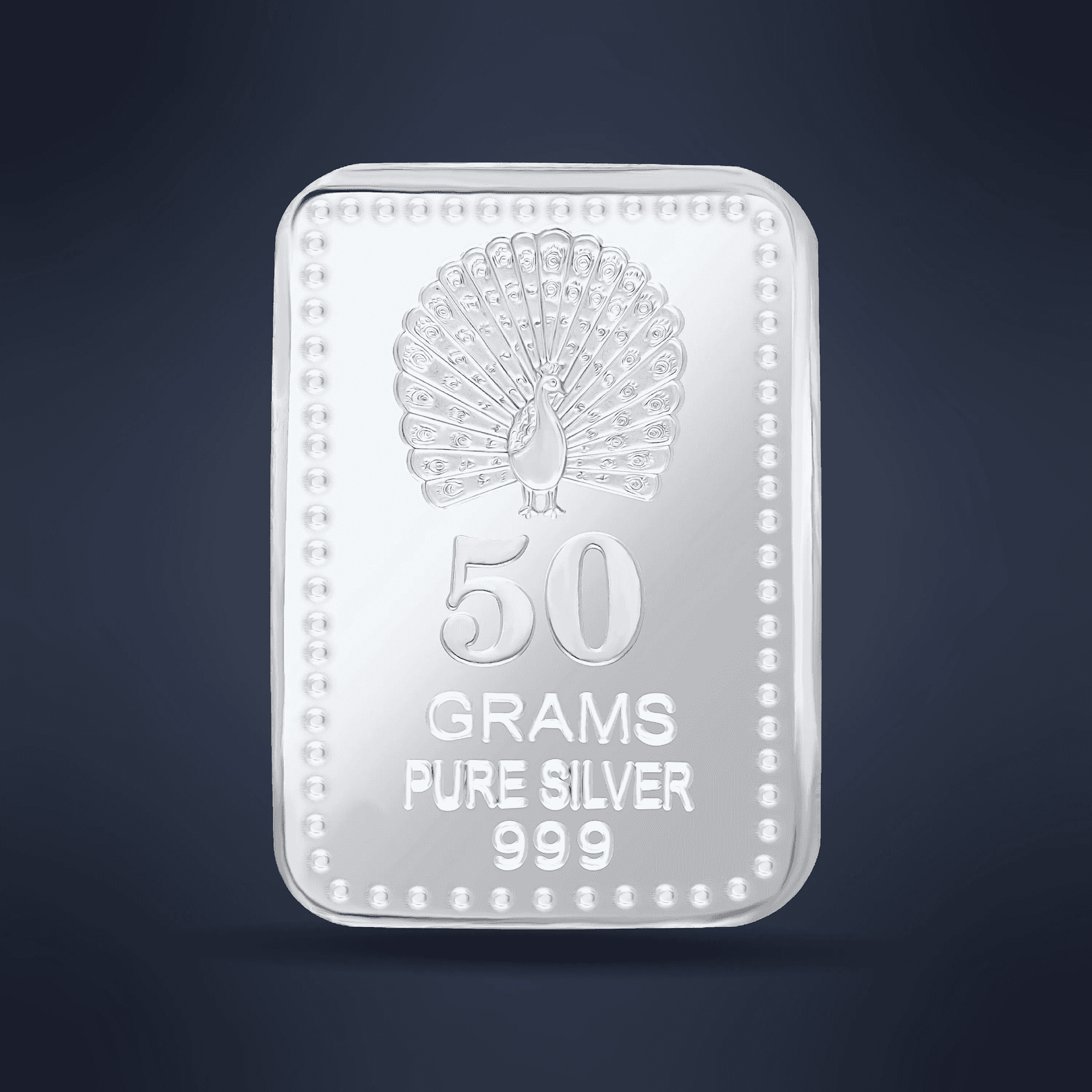
How do I store a 100 gram silver bar properly to prevent tarnishing and maintain its value?
Last updated: 31 October 2026
A 100 gram silver bar is one of the most satisfying investment silver purchases available in India substantial in weight, clean in form, and unambiguous in purpose. But the question most buyers ask immediately after purchasing one is not asked often enough before: how do I actually store this properly? The answer matters more for silver than for gold, because silver has a property that gold does not tarnish. And the way you store a silver bar 100 gram piece determines whether it remains in the pristine, certified condition that supports clean resale and buy-back, or whether it develops surface issues that complicate that process.
This guide covers everything a silver bar owner needs to know about storage from why silver tarnishes and what accelerates it, to the specific storage materials and environments that protect a 100 gram silver bar best, to what the certified packaging question means practically for your resale options. Whether you have just bought your first silver bar or are building a larger silver holding, getting storage right from the beginning saves significant inconvenience later.
Why Silver Tarnishes and Why It Matters for a Silver Bar
Understanding why silver tarnishes is the foundation for understanding how to prevent it. Silver tarnishes through a chemical reaction between the silver surface and sulphur compounds in the air hydrogen sulphide and carbonyl sulphide in particular, which are present in ambient air at very low concentrations but are enough to cause visible darkening on a silver surface over time. This reaction creates silver sulphide on the surface of the yellowish-grey to dark black layer that characterises tarnished silver.
The rate of tarnishing is determined by the concentration of sulphur compounds in the environment, the humidity level, the temperature, and what the silver surface is in contact with. In high-humidity, urban environments which describe most of India's major cities for a significant portion of the year tarnishing can develop on an unprotected silver surface within weeks.
For jewellery-grade silver, tarnish is a maintenance issue cleaned with a soft cloth or a mild silver cleaning solution and the surface is restored. For a silver bar 100 gram investment piece, tarnish is a more significant concern because of the certified packaging dimension.
A 100 gram silver bar purchased from an established jeweller comes in sealed, certified packaging with BIS hallmarking documentation, HUID identification, and the weight and purity certified on the package itself. This packaging is the piece's identity document for resale and buy-back purposes. A bar that has been removed from its certified packaging, developed tarnish, and then been cleaned before resale carries question marks about its storage history that a bar in sealed original packaging does not. Maintaining the certified packaging in good condition is as important as protecting the silver surface itself.
The Certified Packaging Question: To Open or Not to Open
Before addressing specific storage methods, this question needs a direct answer: should you open the certified packaging on your 100 gram silver bar?
The clear recommendation is not to keep the certified packaging sealed:
A silver biscuit 100 gram piece purchased from a reputable jeweller comes in tamper-evident packaging specifically designed to protect the piece, document its identity, and signal to any future buyer or reseller that the piece has not been interfered with since it left the certified source. When that packaging is opened, the tamper-evident seal is broken and once broken, it cannot be restored. The piece then needs to be verified individually at the point of resale rather than simply confirmed by the intact certification, which creates a more involved resale process.
At Bhima, all silver bar purchases made online arrive in tamper-proof certified packaging sealed, documented, and providing the purity and identity assurance that supports confident buy-back. Keeping this packaging sealed and in good condition from the point of purchase through the holding period to the point of eventual resale is the single most important thing a silver bar owner can do for the long-term value maintenance of the piece.
This means that your storage approach should focus on protecting the sealed package, not just the silver inside it. The package needs to be kept dry, away from temperature extremes, away from physical damage, and in an environment that minimises the atmospheric conditions that even sealed packaging cannot fully eliminate over very extended holding periods.
The Ideal Storage Environment for a 100 Gram Silver Bar
Temperature and humidity: the two most critical factors:
Silver tarnishing accelerates significantly in high humidity and high temperature. For a silver bar 100 gram piece held in sealed packaging, the risk of tarnish developing inside the package increases with the severity of the storage environment particularly over very long holding periods.
The ideal storage environment for a silver bar is cool, dry, and stable:
Temperature: Below 25°C where possible, with minimal temperature fluctuation. Environments that swing between very cool and very warm such as spaces that are not climate-controlled through Indian summer months create condensation conditions that accelerate tarnishing and can damage packaging materials over time.
Humidity: Below 50% relative humidity is ideal. Above 70% relative humidity, tarnishing on exposed silver accelerates dramatically. In the Indian monsoon season particularly, humidity control in storage is the most important protective factor.
Air circulation: Still, stable air is better than frequent air movement circulating air in a humid environment simply delivers more moisture to the silver surface per unit of time.
What this means practically:
For most Indian households and investors, a cool, dry, stable storage environment means one of two options: a home safe in an air-conditioned interior room, or a bank locker. Both offer meaningfully better storage conditions than an uncontrolled storage cupboard, a household drawer, or an exposed shelf.
Storage Options Compared: Home Safe, Bank Locker, and Other Options
Bank locker:
A bank safe deposit locker is the most secure and most environmentally stable storage option available for a 100 gram silver bar or a larger silver holding. Bank lockers are maintained in climate-controlled environments, are physically secured at the highest standard available for private individuals, and are not subject to the humidity and temperature fluctuations of most household storage situations.
The practical argument for a bank locker increases with the size of the silver holding. A single 100 gram silver bar may be conveniently stored at home in a quality safe. A larger holding multiple 100 gram bars, or a silver bar and additional silver articles is better served by a bank locker where the cumulative value justifies the added security and the environmental conditions are consistently better than home storage.
Home safe:
A quality home safe in an interior air-conditioned room is an appropriate storage solution for a single silver bar 100 gram piece or a modest silver holding. The critical requirements for a home safe used for silver storage are:
Physical weight and anchoring: A safe that cannot be quickly removed by a determined intruder. A floor-anchored or wall-mounted safe, or a heavy free-standing safe, provides meaningfully better security than a lightweight portable safe.
Interior lining: A safe with a soft fabric interior lining typically felt or velvet protects the certified packaging from physical abrasion and scratching during the inevitable minor movements of opening, closing, and access. A hard bare metal interior is not ideal for storing silver bars directly.
Placement away from moisture sources: Keep the home safe away from bathrooms, kitchens, external walls in humid climates, and any location where condensation or water damage is a realistic possibility.
No silica gel packets near the silver: While silica gel is sometimes suggested for moisture control in safe storage, some formulations of silica gel contain sulphur compounds as a result of their manufacturing process, a small but real source of tarnish-accelerating compounds near silver. If you use a desiccant in a home safe, use one specifically labelled as safe for silver storage.
Storage in cupboards or drawers what to avoid:
A standard household cupboard or drawer is the least appropriate storage option for a 100 gram silver bar held as an investment piece. Cupboards and drawers are typically not climate-controlled, are subject to the full range of seasonal humidity variation in an Indian home, and offer no meaningful physical security. For a silver bar held as an investment where the value of the piece is significant and the condition of the certified packaging is directly relevant to resale, household cupboard storage is a false economy.
What to Keep Away from Your Silver Bar
Even in sealed certified packaging, proximity to certain materials and substances can accelerate the tarnishing of silver over time. For a silver bar stored over months or years, these proximal factors matter:
- Rubber and latex: Rubber contains sulphur compounds that off-gas very slowly over time. Rubber bands around packaging, rubber mats lining safe interiors, and rubber-sealed containers are all materials that should be kept away from silver storage. This is one of the most commonly overlooked silver storage mistakes: a rubber band casually placed around a package of silver bars creates a direct line of sulphur exposure that will tarnish the silver faster than ambient air alone.
- Wool and felt from certain sources: Natural wool contains sulphur in its protein structure and can contribute to tarnishing when in direct contact with silver over extended periods. If a home safe has a felt lining, confirm it is synthetic felt rather than natural wool-based felt before using it for silver bar storage.
- Wood (particularly chipboard and MDF): Wood products particularly composite wood products like chipboard and MDF off-gas acids and aldehydes that can affect silver over extended storage periods. Placing a silver bar directly in contact with a raw wooden shelf or drawer base is not advisable for long-term storage. A clean, sealed container within the wooden space provides an additional barrier.
- Other metals in direct contact: Silver in direct contact with dissimilar metals iron, copper, aluminium can develop galvanic corrosion at the contact point over time. In a home safe or locker, ensure silver bars are not stored in direct contact with metal surfaces without a protective barrier.
- Cleaning products, perfumes, and cosmetics: Proximity to cleaning products, perfumes, hairsprays, and cosmetics all of which off-gas compounds that accelerate silver tarnishing should be avoided. Do not store a silver bar in a bathroom cabinet or a dressing table drawer where these products are kept.
Additional Protective Measures for Long-Term Storage
For silver bars held over extended periods several years or more a few additional protective measures significantly improve the storage conditions beyond simply placing the sealed bar in a safe:
Anti-tarnish strips:
Anti-tarnish strips are small strips of treated paper or cloth that absorb sulphur compounds and other tarnish-accelerating gases from the enclosed air space around silver. Placed in a zip-lock bag or an airtight container alongside a sealed silver bar, they extend the period during which the ambient air inside the container remains free of tarnish-accelerating compounds. Replace these strips every six to twelve months for continued protection.
Airtight containers within the safe:
Placing a sealed silver bar inside an airtight container, a zip-lock bag with as much air expelled as possible, or a sealed plastic container with a good-quality closure before placing it in a home safe creates a double barrier against atmospheric exposure. The sealed certified packaging is the first barrier; the airtight outer container is the second. This is a simple, inexpensive addition that meaningfully extends the tarnish-free holding period.
Desiccant sachets choosing the right type:
A desiccant sachet absorbs moisture from the air inside a closed container. For silver storage, choose a silica gel desiccant that is specifically labelled as sulphur-free or silver-safe. Standard silica gel is generally appropriate; some coloured indicator silica gels use chemical compounds that may be less appropriate near silver. When in doubt, place the desiccant in the outer container but not in direct contact with the silver packaging.
Periodic inspection without opening:
For a silver bar in sealed certified packaging, periodic inspection means checking the condition of the outer packaging confirming the seal is intact, the documentation markings are still clearly legible, and no moisture damage or physical damage has occurred to the package exterior. This inspection can be done without opening the certified packaging and should be done at least once every six months for bars held in home safe storage, and less frequently for bars in bank lockers where conditions are more stable.
The 100 Gram Silver Bar vs 100 Gram Silver Coin: Does Storage Differ?
A question that arises frequently for buyers choosing between a silver bar 100 gram and a 100gm silver coin is whether storage requirements differ between the two formats. The honest answer is that the core storage principles are identical, both benefit from cool, dry, stable environments, away from sulphur compounds and moisture, in sealed certified packaging but there are a few format-specific considerations.
- Surface area: A 100 gram silver coin typically has a larger ratio of surface area to volume than a silver bar of the same weight, due to the relief design on both faces of a coin. This greater exposed surface area means that if a coin is stored outside its certified packaging, it is marginally more vulnerable to tarnishing across its entire face than a flat bar surface. For both formats, staying in certified packaging eliminates this difference.
- Design vulnerability: The raised relief elements on a coin surface are more vulnerable to physical abrasion damage than the flat surface of a silver bar. A coin should not be slid across a hard surface or stored loose among other objects. In its sealed certified packaging, this vulnerability is fully addressed.
- Stacking: Silver bars in flat rectangular packaging stack efficiently and stably in a safe or locker. Round coin packaging stacks less efficiently and can roll or shift if not secured. For multiple-piece holdings, bars store more compactly than coins of equivalent weight.
- In all other respects certified packaging priority, environmental requirements, and anti-tarnish measures the storage approach for a silver bar 100 gram and a 100gm silver coin are the same.
A Storage Checklist for a 100 Gram Silver Bar
Before placing a silver bar in long-term storage, run through this checklist:
Certified packaging is intact and the tamper seal is unbroken
HUID documentation is legible and the package markings are clear
The storage location is cool (below 25°C), dry (below 50% humidity), and stable
No rubber, natural wool, raw wood, or cleaning products are in proximity
Anti-tarnish strips are in place if using a home safe
The bar is inside an airtight outer container if using a home safe
Dissimilar metals are not in direct contact with the silver packaging
The safe or locker is physically secure and appropriate for the value of the holding
A record of the HUID number and purchase documentation is kept separately from the physical piece
Why Bhima for Silver Bars and Investment Silver
Since 1925, It has been a trusted name for gold and silver jewellery across South India. From the first showroom on Dickenson Road in Bengaluru to 22 stores today across Karnataka, Andhra Pradesh, and Tamil Nadu, that trust has stayed constant for nearly a century.
Silver bars whether a silver bar 100 gram piece, a silver biscuit 100 gram format, or other investment-grade silver pieces come in BIS hallmarked 925 sterling silver with complete HUID traceability and certified packaging that supports straightforward buy-back and resale. For online orders, every silver bar purchase arrives in tamper-proof certified packaging with complete hallmarking documentation. Buy-back is available on all BIS hallmarked silver pieces across all 22 locations.
Whether you visit any of 22 showrooms to purchase a silver bar in person with purity and HUID confirmed transparently at the counter or buy through online store with tamper-proof certified packaging guaranteed, the purity assurance and documentation remain the same across every location.
Related Reading on Bhima
Visit a Bhima Store
Visit any of Bhima's 22 showrooms across Bengaluru, Hubballi, Mangaluru, Udupi, Vijayawada, and the rest of South India to purchase BIS hallmarked silver bars and investment silver in person, with HUID verification and hallmark confirmation done in front of you. Contact Bhima for queries.
Frequently Asked Questions
1. How should I store a 100 gram silver bar to prevent tarnishing?
The most effective storage approach combines keeping the bar in its original sealed certified packaging, placing it inside an airtight container with an anti-tarnish strip, and storing it in a cool, dry, stable environment ideally a home safe in an air-conditioned room or a bank locker.
2. Should I open the certified packaging of my silver bar 100 gram piece?
No. The sealed certified packaging with its intact tamper-evident seal, HUID documentation, and weight and purity markings is the piece's identity document for resale and buy-back. Once opened, the tamper-evident seal cannot be restored.
3. What causes silver to tarnish and how does storage prevent it?
Silver tarnishes through a chemical reaction with sulphur compounds in ambient air primarily hydrogen sulphide which creates silver sulphide on the surface. This reaction is accelerated by high humidity, high temperature, and direct contact with sulphur-containing materials.
4. Is a bank locker or a home safe better for storing a silver bar?
Both are appropriate; the choice depends on the size of the holding and personal security preferences. A bank locker provides the most stable environmental conditions and the highest physical security, and is recommended for larger silver holdings or buyers who prefer institutional-grade security.
5. What materials should I keep away from my stored silver bar?
Keep rubber and latex (rubber bands, rubber-lined surfaces), natural wool, raw or composite wood (chipboard, MDF), cleaning products, perfumes, hairsprays, and dissimilar metals away from your stored silver bar. All of these materials off-gas compounds that accelerate silver tarnishing. Even in sealed packaging, proximity to these materials over extended storage periods can affect the silver through the packaging.
6. What is a 100 gram silver biscuit and does it store differently from a silver bar?
A silver biscuit and a silver bar are the same format: a flat, rectangular investment-grade silver piece referred to by different terms. "Biscuit" is the more common term in Indian retail contexts; "bar" is the standard international term. Storage requirements are identical for both.
7. How does storage condition affect the resale value of a silver bar?
Good storage ensures that a silver bar can be resold in sealed certified packaging with intact HUID documentation, which supports the most straightforward buy-back process at the current silver rate.
8. What is the difference between a 100 gram silver bar and a 100gm silver coin for storage purposes?
The core storage principles are the same for both formats. A 100 gram silver coin has a larger surface area relative to its volume than a bar due to the relief design on both faces which makes the coin slightly more vulnerable to tarnishing if stored outside its certified packaging.
9. How often should I check on a stored silver bar?
For a silver bar in a home safe, checking the condition of the outer packaging every six months is appropriate confirming the seal is intact, documentation is legible, and no moisture or physical damage has occurred. Anti-tarnish strips should be replaced every six to twelve months.
10. Does Bhima offer buy-back on a 100 gram silver bar?
Yes. Bhima offers buy-back on all BIS hallmarked silver pieces, including silver bar 100 gram and silver biscuit 100 gram formats. The buy-back process is most straightforward when the piece is in its original sealed certified packaging with intact HUID documentation.